Wellcome Survey Details Heat Risks to Maternal Health; Adaptation Funding Falls Short
A global survey by Wellcome found nearly all maternity workers treated patients affected by extreme heat, as UN climate chief Simon Stiell noted a significant gap in climate adaptation finance for developing nations.
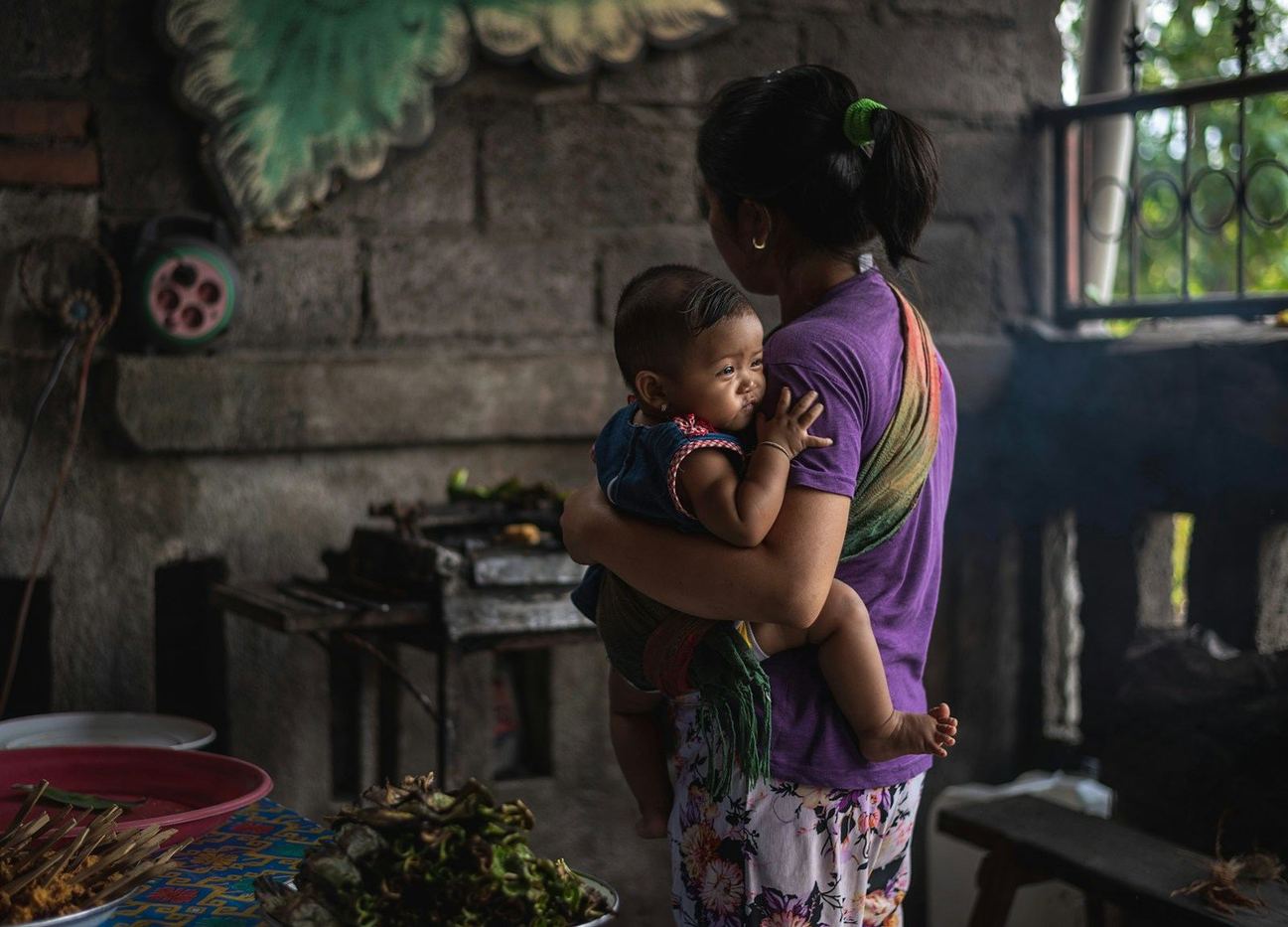
Maternal Health Under Threat
Nearly all maternal healthcare professionals surveyed by global health foundation Wellcome believe extreme heat has harmed pregnant women and babies.
The survey, which gathered responses from 1,000 workers across Australia, Brazil, India, the UK, and Zimbabwe, found 98 per cent had treated pregnant women and 99 per cent had cared for babies whose health they attributed to heat exposure.
Furthermore, 76 per cent of respondents observed an increase in heat-related complications affecting foetal or newborn health over the past five years. UN climate chief Simon Stiell presented these findings on the opening day of Pre-COP, which runs until 8 October.
Clinical Evidence and Access Barriers
The survey's findings align with existing clinical research, despite being based on healthcare workers' experiences rather than patient outcomes. A 2020 analysis published in The BMJ indicated that the likelihood of preterm birth rises by approximately 5 per cent for every 1°C temperature increase. That risk jumped to 16 per cent during heatwaves.
Another review in Nature Medicine in 2024, pooling 198 studies, estimated a 4 per cent increase in preterm birth odds per degree. Beyond direct health impacts, 27 per cent of survey respondents reported that pregnant women and families found it more difficult to access care due to heat, with 29 per cent noting an increase in urgent or emergency visits.
Significant Funding Gap
Addressing these climate-related health risks requires substantial investment, yet a significant funding gap persists. The UN Environment Programme estimates that developing countries will need US$310–365 billion annually for adaptation by 2035.
However, international public adaptation finance to these nations decreased to US$26 billion in 2023, down from US$28 billion the previous year. The World Health Organization estimates that only about 0.5 per cent of multilateral climate finance has been directed towards health initiatives.
Last year at COP30 in Belém, countries called for adaptation finance to be tripled, but by 2035, a later deadline than sought by climate-vulnerable nations.
Many Asian developing economies face similar challenges to those highlighted in the Wellcome survey, particularly concerning outdoor workers and inadequate housing. India was among the countries surveyed, directly linking these findings to the region.
The substantial adaptation funding gap identified by the UN Environment Programme directly impacts Asian nations' ability to build climate-resilient health infrastructure. This creates a pressing need for both public and private investment in sustainable construction, energy-efficient cooling technologies, and public health systems across Asia.
As global bodies advocate for including maternal health in national climate plans before COP31, businesses offering practical adaptation solutions, such as reflective paints or low-cost fans, may see growing demand in these markets.
This article is journalism, not investment advice; consult a licensed professional before making financial decisions. Market data is indicative, may be delayed, and should be verified with your broker or exchange before use.
Comments.
Comments are moderated. We remove what is unlawful, abusive or off-topic, and and you remain responsible for what you post.
Reader comments open soon. Until then, corrections and responses go to our newsroom, and we publish what we get wrong on Corrections.