Singapore Manufacturing PMI Rises to 51.7 in September
Driven by strong AI-related demand, the Republic's manufacturing activity expanded for a 14th consecutive month, showing increased orders and production.
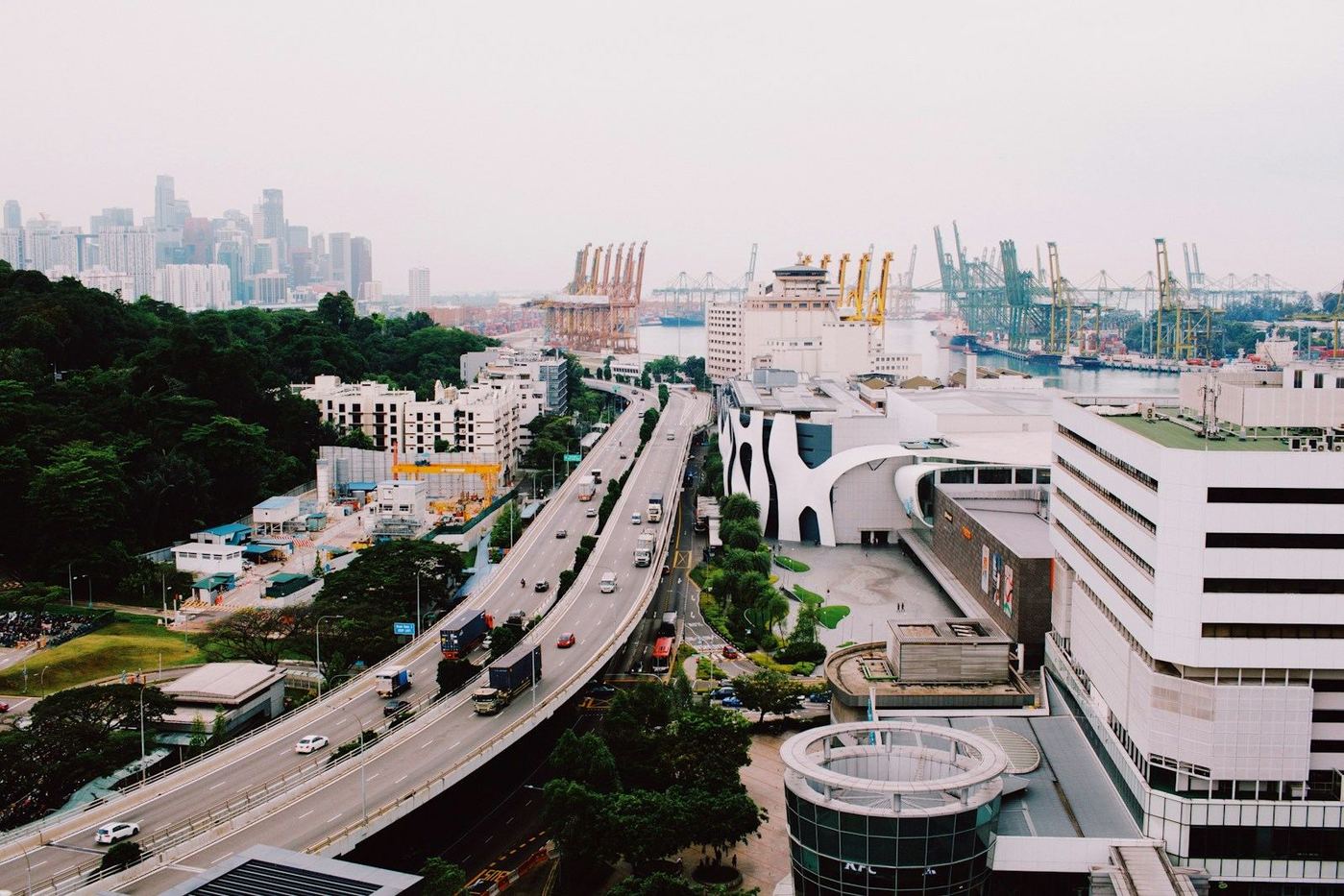
Singapore Manufacturing Expands for 14th Month
Singapore's manufacturing sector experienced faster growth in September, with the Purchasing Managers' Index (PMI) reaching 51.7. This figure, released by the Singapore Institute of Purchasing and Materials Management (SIPMM) on Friday, 2 October, marks the 14th consecutive month of expansion for the Republic's manufacturing activity.
The September PMI increased by 0.2 points from August, primarily fuelled by strong demand linked to artificial intelligence (AI). A PMI above 50 indicates expansion in the sector.
Electronics Sector Leads Growth
The critical electronics sector within manufacturing saw its PMI climb by 0.3 points to 52.9 in September. This indicates an accelerated pace of expansion and extends its growth streak to 16 straight months. Stephen Poh, SIPMM's executive director, noted that electronics is bolstering orders, production, and employment.
DBS senior economist Chua Han Teng observed that both the overall manufacturing and electronics PMIs reached their highest levels since October 2018 and January 2018, respectively. He linked this to Singapore's role as a key node in the global electronics supply chain, benefiting from strong AI-driven PMIs in South Korea and Taiwan.
Rising Costs and Supply Delays
Despite the strong demand, manufacturers face intensifying operational pressures. Rising input costs and extended supplier lead times are significant concerns, according to SIPMM's Poh. The finished goods sub-index for electronics fell to 48.7, indicating a decline in inventories.
OCBC chief economist Selena Ling attributed this to supply-side disruptions and higher import costs, rather than a lack of demand. She added that supplier deliveries have decreased for nine consecutive months in overall manufacturing and 11 months for electronics, pointing to ongoing supply chain challenges.
Mixed Regional Performance
Manufacturing activity across ASEAN saw a slight dip in September, falling to 52.1 from 52.3 in August, though it remained in expansionary territory. S&P Global Market Intelligence economist Maryam Baluch noted that renewed Middle East tensions and higher oil prices tempered expectations.
Within the region, the Philippines' PMI declined to 49.6, its sharpest contraction since November 2025, while Malaysia's PMI also slipped below 50 to 49.9. In contrast, Thailand's manufacturing PMI hit a nine-month high of 54.3, and Indonesia's rose to 52.4. China's official PMI also increased to 50.1. Taiwan's business conditions improved significantly, with its PMI reaching 56.7.
For businesses operating within Asia's supply chains, Singapore's sustained manufacturing expansion, particularly in electronics, signals continued strong demand in the AI sector. However, the persistent challenges of rising input costs and extended supplier lead times mean companies must actively manage their procurement and logistics strategies.
The varied regional performance suggests that while some economies benefit from global demand shifts, others contend with localised demand weakness or external geopolitical impacts on raw material costs. Companies should monitor the next round of PMI data in November for further insights into supply chain stability and demand resilience across the region.
This article is journalism, not investment advice; consult a licensed professional before making financial decisions. Market data is indicative, may be delayed, and should be verified with your broker or exchange before use.
Comments.
Comments are moderated. We remove what is unlawful, abusive or off-topic, and and you remain responsible for what you post.
Reader comments open soon. Until then, corrections and responses go to our newsroom, and we publish what we get wrong on Corrections.