MAS Proposes Stricter Rules for Foreign Stablecoin Access
The central bank's 1 September proposal aims to attract international payment firms to Asia's financial markets by allowing regulated foreign tokens.
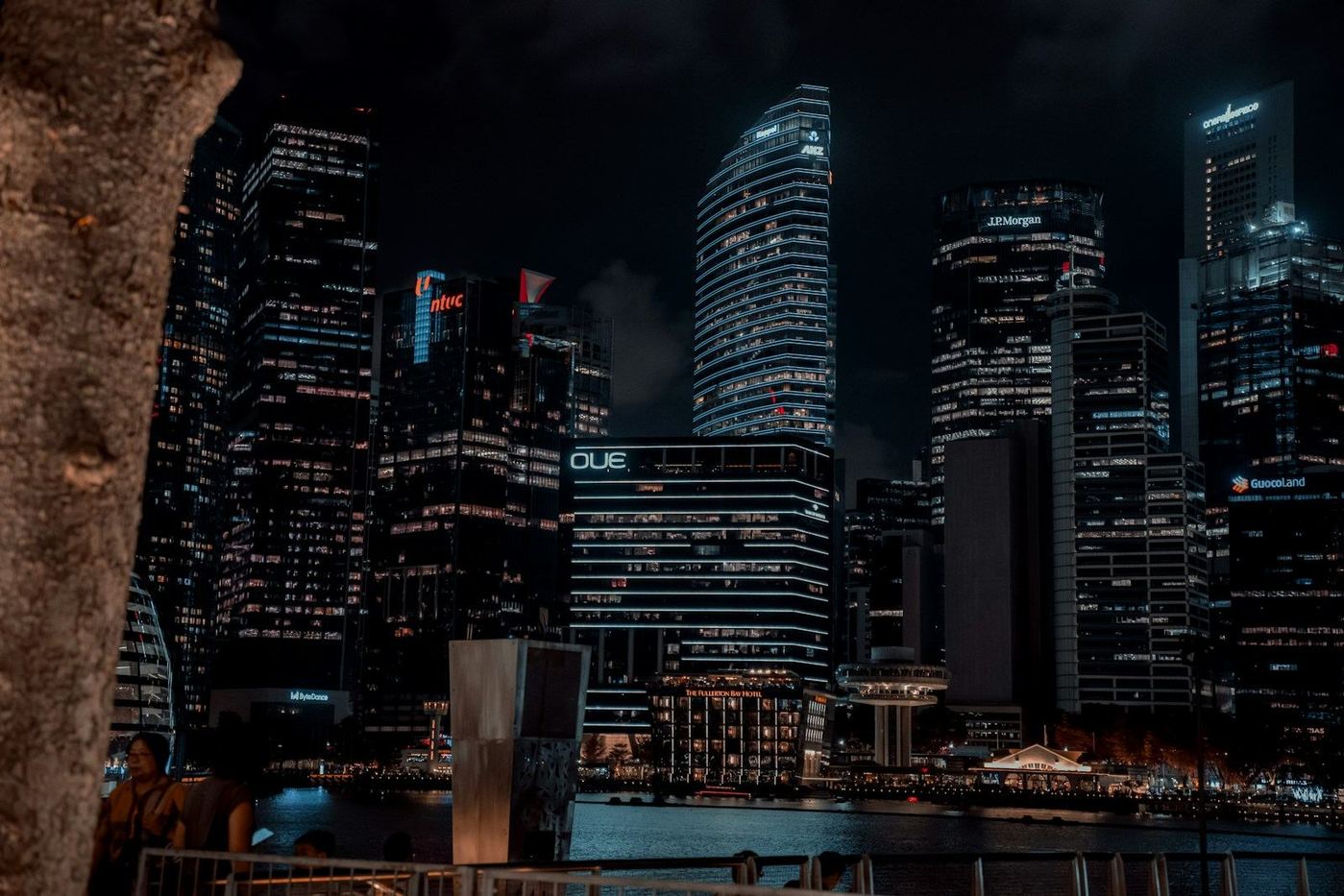
Singapore's New Stablecoin Framework
The Monetary Authority of Singapore (MAS) proposed on 1 September to permit foreign stablecoins in Singapore, subject to a stricter regulatory framework. This initiative aims to attract global payment firms seeking access to Asian financial markets.
MAS plans to allow stablecoins co-issued by Singaporean and foreign entities, and recognise certain foreign-licensed stablecoins if bilateral cooperation agreements with their overseas regulators are in place. These stricter rules include requirements for issuers to identify, freeze, and remove stablecoins linked to illicit activities.
Issuers must also have recovery and wind-down plans, conduct quarterly stress tests, and are banned from paying interest to token holders, according to Claudia Hui, Asia-Pacific head of compliance advisory at TRM Labs, Inc.
Divergence from Hong Kong's Approach
Singapore's approach differs from Hong Kong's, which mandates a local licence for issuers operating there or issuing stablecoins tied to the Hong Kong dollar, noted Etelka Bogardi, a partner at Reed Smith LLP. Singapore further permits specific financial institutions to distribute stablecoins from unlicensed providers.
In contrast, Hong Kong restricts the distribution of such unlicensed tokens to professional investors only. MAS stated it would individually assess cross-border issuance arrangements, ensuring appropriate safeguards are in place. The regulator believes well-regulated stablecoins can enhance efficiency, reduce transaction costs, and incorporate programmable features.
Industry Views and Challenges
Payment companies already holding digital payment token licences are expected to be primary applicants for stablecoin issuer licences, given the significant capital and operational demands, Bogardi suggested. She identified StraitsX and Paxos as having an advantage, citing their existing in-principle approvals from MAS.
Banks may also consider issuing stablecoins for corporate cash management, international settlements, and trade finance, Hui observed. However, banks could face a hurdle: the framework might require them to establish separate non-bank entities for stablecoin issuance, which could deter some from participating, Bogardi added.
International issuers might opt for recognition or joint issuance agreements instead of applying for standalone Singapore licences, Hui projected. She added that Singapore's high standards and regulatory recognition could build trust among counterparties globally.
However, several aspects remain undefined, including minimum cash reserves, issuance limits, and rules for stablecoins offered without MAS regulation. Bogardi also highlighted uncertainty over whether issuers can use returns from reserve assets to fund operations, which could impact their fee structures. Singapore’s Payment Services Act of 2019 may also require amendments to accommodate these changes.
This article is journalism, not investment advice; consult a licensed professional before making financial decisions. Market data is indicative, may be delayed, and should be verified with your broker or exchange before use.
Comments.
Comments are moderated. We remove what is unlawful, abusive or off-topic, and and you remain responsible for what you post.
Reader comments open soon. Until then, corrections and responses go to our newsroom, and we publish what we get wrong on Corrections.